
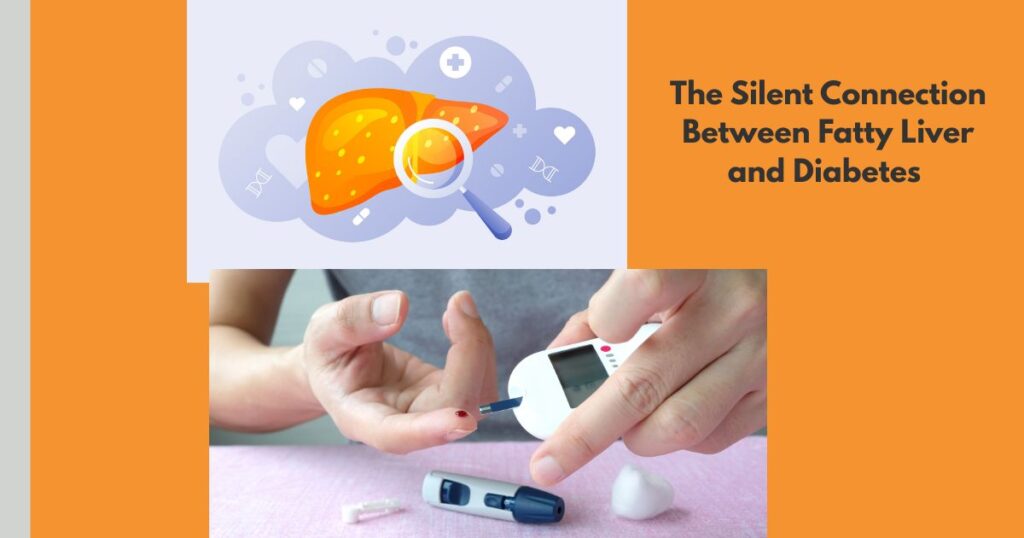
For a very long time, type 2 diabetes and fatty liver disease were considered distinct metabolic disorders. It was logically thought that diabetes affected the pancreas and fatty liver affected the liver. But modern medicine has found a reciprocal interaction between them which is surprising. Understanding this relationship is not merely theoretical, it may hold the secret to preventing or perhaps treating both conditions.
Why the Liver Holds the Key to Your Blood Sugar
Our body’s command center for metabolism is the liver. Its main function is to store glucose (as glycogen) and release it into the bloodstream when your blood sugar falls. Blood sugar levels fall during exercise or in between meals. This finely tuned system ensures your brain and muscles always have fuel. But this amazing mechanism fails when fat builds up in the liver. Fatty liver is a disorder that currently affects almost one in three adults.
How a Fatty Liver Worsens Insulin Resistance
Excess liver fat does not just sit there passively. It actively interferes with insulin signaling. This is what fatty liver does to your body;
- Impaired Glucose Sensing: Insulin resistance develops in a fatty liver. Insulin normally instructs the liver to stop making glucose. But in fatty liver, the liver disregards this warning and keeps releasing sugar into the blood. This raises fasting glucose levels.
- Increased Lipotoxicity: Toxic byproducts known as diacylglycerols and ceramides are released when fat is broken down in the liver. These compounds directly block the insulin receptors. Hence the body becomes increasingly insulin resistant.
- Triggering Inflammation: Inflammatory substances such as TNF-alpha and IL-6 are released when immune cells (Kupffer cells) are activated by accumulated liver fat. These cytokines enter the bloodstream and worsen the effects of insulin on fat and muscular tissue.
Increased liver fat increases insulin resistance and this compels the pancreas to increase insulin production. Increased insulin levels then encourage the liver to store even more fat. Our body gets trapped into this vicious cycle.
Diabetes: Both a Cause and a Consequence
The presence of both the conditions is a true bidirectional loop since the relationship is reciprocal. High blood sugar levels immediately increase fatty liver once type 2 diabetes is established. This happens due to the transformation of extra sugar into fat within the liver. Some studies say that up to 80% of individuals with type 2 diabetes also have non-alcoholic fatty liver disease (NAFLD).
Clinical Clues You Should Know
Several red flags suggest this liver-pancreas connection is active. Here are a few:
- Elevated liver enzymes (ALT/AST) in a person with prediabetes or diabetes
- Central obesity (fat stored around the waist) combined with high triglycerides
- Presence of acanthosis nigricans. It is dark, velvety patches on the neck or armpits indicating severe insulin resistance
Breaking the Cycle: Hope on the Horizon
The liver is remarkably resilient and that is good news. Fat buildup is reversible. But liver scarring (cirrhosis) is not. It has been shown that even a 5–10% decrease in body weight can lower liver fat and increase insulin sensitivity. The fatty liver responds well to the same diabetic treatments, like low-glycemic diet, consistent exercise, and drugs like metformin or GLP-1 agonists. A successful therapeutic approach is made possible by realizing that these two disorders are two sides of the same metabolic coin.
Listen to Your Metabolism
It is time for you to find out if you have fatty liver should you have diabetes. Discuss with your doctor and get the necessary diagnosis to ascertain your liver health. The liver-pancreas loop is a warning indicator and can be addressed if found early and timely treatments are taken. The cycle can be broken before irrevocable harm is done with early detection and lifestyle modifications.