
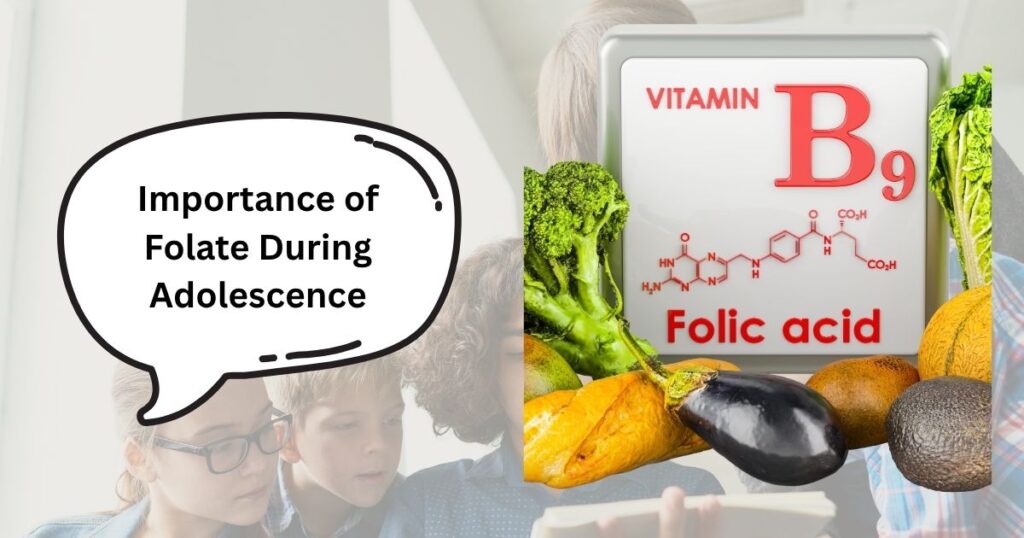
Folate is also known as vitamin B9. It is a water-soluble vitamin that is much needed for DNA synthesis, cellular growth and red blood cell formation. Though it is important at every stage of life, folate becomes very crucial during the adolescent period. This adolescent period is characterized by rapid physical and cognitive development.
Why Adolescents Need More Folate
During adolescence, the body undergoes a good amount of growth spurts, hormonal changes and increased metabolic demands. Folate supports these changes by helping to perform the following activities:
- Helps in the production of healthy red blood cells
- Supports brain development and mental clarity
- Assists in tissue growth and cellular repair
- Reduces the risk of nutritional deficiencies and related complications.
Folate also helps prevent a type of anemia known as megaloblastic anemia. This type of anemia can lead to fatigue, weakness and developmental delays in teens.
Folate and the Risk of Anemia
Anemia happens when the body does not produce enough healthy red blood cells. In adolescents, folate deficiency is one of the important causes of megaloblastic anemia. This condition impairs oxygen delivery to tissues, leading to the following symptoms:
- Chronic tiredness
- Shortness of breath
- Pale skin
- Concentration difficulties
Without enough folate, the red blood cells become large and immature. This leads to reduced function and oxygen-carrying capacity of the RBCs.
Dietary Sources of Folate
Adolescents should be encouraged to consume folate-rich foods. This is essential for prevention of anemia and other deficiencies. Good sources of folate are:
- Leafy green vegetables (spinach, keerai)
- Legumes (lentils, chickpeas, black beans)
- Citrus fruits (oranges, lemons, sweet lime)
- Fortified cereals and grains
- Avocados
In patients with more folate deficiency, doctors may recommend folate supplements. This is true for teens with restricted diets or chronic health conditions.
Folate and Mental Health
Many research have linked optimal folate levels with mental well-being. Adolescents with folate deficiency often experience higher rates of mood swings, irritability and even depression in some extreme cases. This is because folate plays a vital role in the production of neurotransmitters like serotonin and dopamine. These hormones are well known to regulate mood. So it is pretty obvious that folate plays an important role in personality development in young adults which will go a long way in shaping adolescents in their career path and other successes.
The Long-Term Impact
Adequate folate intake during adolescence prevents anemia. It also lays a foundation for long-term health. Proper folate levels contribute to healthy immune function, cognitive performance and future reproductive health in young females.
Folate is more than just another vitamin. It is a vital nutrient that supports adolescent growth, prevents anemia and promotes overall well-being. We can build healthier futures for the next generation by educating teens and parents on its importance and incorporating folate-rich foods into daily diets.