
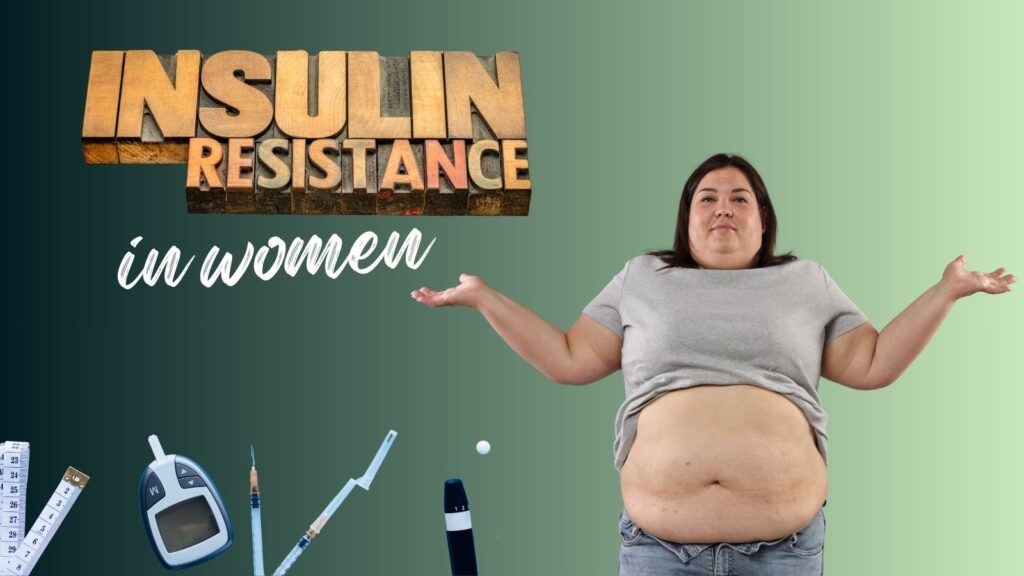
Insulin resistance is becoming a more serious health issue in the world. But its effects on women pose more difficulties and they are mostly disregarded. Women are more susceptible to insulin resistance at different phases of life due to hormonal changes, reproductive health problems and lifestyle choices. For long-term metabolic health, early detection, and efficient treatment, it is needed to understand the variations.
What Is Insulin Resistance?
In most cases, blood sugar levels rise as a result of the body’s cells’ ineffective response to insulin. But sometimes more insulin is required to keep the blood glucose level under control. This threshold of insulin level keeps rising as years go by without causing diabetes (essentially prediabetic). Both these conditions where the insulin level is unusually high is referred to as Insulin Resistance. Type 2 diabetes, prediabetes, and other metabolic issues may result from this over time. Women may develop insulin resistance gradually. This condition is mostly concealed by hormonal fluctuations or mistakenly linked to aging and stress.
Why Women Face Unique Risks
Hormones play an important part on how insulin works in the body. Variations in the levels of progesterone and estrogen can affect insulin sensitivity. This can make women more prone to getting insulin resistance at some stages of life. Some of the factors that can contribute to insulin resistance in women are
- Polycystic Ovary Syndrome (PCOS)
- Pregnancy-related hormonal changes
- Menopause and declining estrogen levels
- Chronic stress and sleep disturbances
These factors often overlap. This can compound the risk and make diagnosis more complex.
Symptoms Often Missed or Ignored
The signs of insulin resistance in women are not expressly manifested in most times. It could rather manifest as abdominal weight gain, chronic exhaustion, irregular menstrual cycles or trouble decreasing weight in spite of lifestyle modifications. Changes in the skin like dark areas under the arms or around the neck are some of the early warning signs.
Long-Term Health Implications
Insulin resistance can raise the risk of many chronic illnesses if it is not managed properly. Not only diabetes, women can face an increased risk of cardiovascular disease, infertility and pregnancy difficulties. It has to be mentioned that mental health can also be affected because mood swings and anxiety are increased when there is blood sugar fluctuation.
Managing Insulin Resistance Effectively
Insulin resistance can be slowed down or reversed with early intervention to a large extent. The most effective strategy is a holistic one that gives importance to both hormonal and physical well-being. Some of the ways in which insulin resistance can be managed are
- Balanced meals rich in fiber, protein, and healthy fats
- Regular physical activity combining strength and aerobic exercise
- Stress management through mindfulness or yoga
- Medical evaluation for underlying hormonal disorders
Regular health screenings play an important role in detecting insulin resistance at an early stage. Early detection is the key to preventing complications.
Insulin resistance in women is a complex disorder. Hormones, lifestyle choices and life stages are some of the factors that contribute to insulin resistance. Knowing the specific difficulties women face is key to prompt diagnosis and personalized treatment. Insulin resistance can be successfully treated with the correct strategy. This helps in maintaining general health and quality of life.