
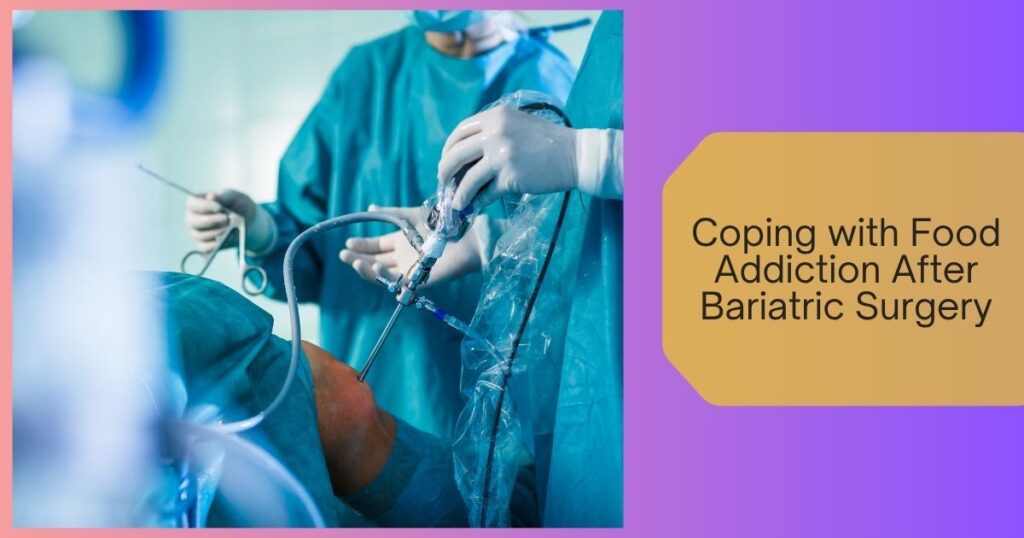
Bariatric surgery is a procedure that can change an obese person’s life. It helps in bringing drastic weight loss for those who suffer from obesity. It reduces physical hunger by changing the size of the stomach. But bariatric surgery does not address the psychological and emotional aspects of eating. Food addiction is a problem for some patients even after undergoing bariatric surgery. But there are ways to cope. Maintaining long-term success and general well-being requires learning those coping mechanisms.
Understanding Food Addiction
Overeating sometimes is only one aspect of food addiction. It actually involves a compulsive relationship with food. Most people who overeat are eating to deal with stress, anxiety or emotions rather than being hungry. These tendencies that are more rooted with emotional well being have the potential to reappear after undergoing a bariatric surgery. This is true when the initial thrill of weight loss slowly disappears.
Why Food Addiction Persists After Surgery
Bariatric surgery changes the digestive pattern. However it needs to be understood that it does not change the emotional eating patterns. Patients might end up discovering the following:
- Craving for high-calorie food sugary foods in spite of reducing the stomach capacity.
- Beginning to snack on some food throughout the day. Mostly junk foods.
- Starting to use food as a comfort mechanism during stressful situations.
Strategies to Cope with Food Addiction
Ask for Professional Support
Addressing the emotional triggers of food addiction can be made possible by working with a psychologist, dietitian or support group. Unhealthy eating habits can be successfully broken with the help of therapeutic approaches like cognitive behavioral therapy (CBT).
Practice Mindful Eating
Patients who practice mindfulness techniques are better able to recognize their bodies’ hunger and fullness cues. Meals can be more fulfilling and overeating can be avoided by eating slowly. You need to enjoy every bite and put away distractions while eating slowly.
Develop Healthy Coping Mechanisms
Instead of turning to food when there are stressful moments, patients can try alternative strategies like:
- Engaging in physical activities like cycling, walking, doing workouts etc.
- Practicing deep breathing or meditation.
- Journaling thoughts and emotions.
The Role of Long-Term Follow-Up
After bariatric surgery, regular follow-up appointments should not be missed. This can stop the progression of food addiction if any. Dietitians and surgeons are able to track results, modify meal plans and if needed, suggest counseling. Long-term weight loss is more likely to be maintained by patients who continue to participate in all the recommended aftercare programs.
After bariatric surgery, managing food addiction calls for a working strategy that is beyond physical adjustments. Patients can develop a positive relationship with food by addressing emotional triggers. They can engage in mindfulness, exercises, and getting professional assistance whenever needed. All these positive steps can guarantee not only the surgery’s success but also gains in health that are sustained and more importantly the much needed quality of life.