
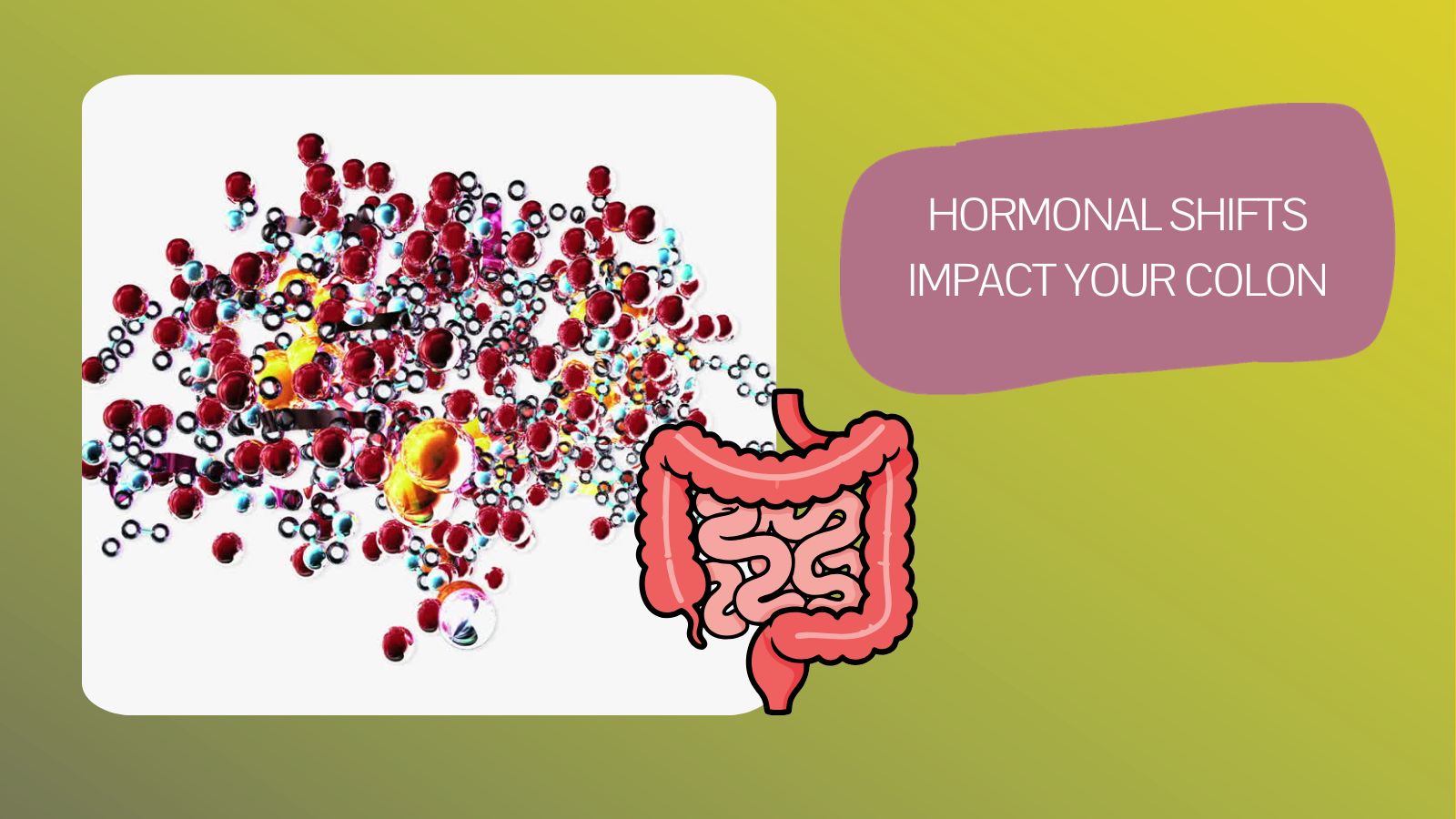
Hormonal Shifts Impact Your Colon
Modern science has shown us that the colon is indeed a sophisticated and dynamic organ. This is contrary to our long-held belief that it is only a waste management vessel. The colon is a hormonally active tissue that gets impacted and influenced by the chemical messengers that flow through our bodies. It is by never silent. Having an idea about this complex link can help solve challenging digestive problems. It can also explain why our bowel habits can occasionally feel like a rollercoaster.
The Colon as a Hormonal Hub
Hormones like estrogen, progesterone and testosterone, are thought to be exclusively produced by the ovaries, testes, and adrenal glands. They are also traditionally thought to control stress and reproduction. But new studies that are emerging indicate the narrative is more nuanced. According to some studies, the colon itself expresses the enzyme machinery required to synthesize and digest these identical steroid compounds. This implies that the colon may actively contribute to local steroid synthesis in addition to being a passive recipient of hormonal signals. This directly affects the enteric nervous system, often called the “second brain” that controls gut function. This local manufacturing of hormones in the colon may fine-tune colonic action. We are just beginning to understand all these.
Key Hormones and Their Colonic Effects
Several key players are involved in this delicate processes and each has a distinct role to play:
- Estrogen: This hormone affects inflammation and intestinal sensitivity. It affects the equilibrium of pro-inflammatory and anti-inflammatory signals in the gut tissue and can raise visceral sensitivity. This can increase your awareness of colonic feelings.
- Progesterone: it is referred to as the “relaxation hormone”. Progesterone has a tendency to slow down the gut’s smooth muscle. Constipation during the luteal phase of the menstrual cycle and pregnancy is mostly caused by this reason. This can result in slower bowel movements.
- Androgens (such as testosterone): Although their exact function is not yet known, male sex hormones are widely observed to have an impact on the inflammatory pathways in the stomach. According to some study, androgens may inhibit some pro-resolving mediators, which could increase the colon’s vulnerability to inflammation.
- Thyroid hormones and Cortisol: Sex hormones are not the only ones involved in colonic effects. Thyroid hormones are powerful digestive stimulants. But cortisol, a stress hormone, can impair stomach motility and raise sensitivity. Constipation is the result of an underactive thyroid. On the other hand, an overactive thyroid can accelerate transit time and cause diarrhea.
Hormonal Fluctuations Across Life Stages
These hormones fluctuate throughout life and as a result, causes both expected and sometimes unpredictable alterations in colonic function. Those who menstruate are the ones who show this the most.
- The Menstrual Cycle: A lot of women complain that changes in their bowel habits are related to their cycle. A decrease in progesterone and the release of prostaglandins might stimulate the colon in the days before and during menstruation. This can result in increased cramping and diarrhea.
- Pregnancy: One of the main causes of constipation experienced by many pregnant women is the relaxation of intestinal smooth muscle. This is caused by high progesterone levels during pregnancy.
- Menopause: The gut environment may change due to the abrupt drop in estrogen that occurs during menopause. Research on surgical menopause (ovariectomy) reveals that estrogen loss causes changes in receptor expression. This can impact motility and an increase in pro-inflammatory markers in the colon. This is said to worsen bloating and constipation.
Implications for IBS and IBD
This hormonal impact is important for people with digestive issues. Hormones have a major role in the flare-ups of symptoms for people with Irritable Bowel Syndrome (IBS). This is a condition that has a gut-brain connection. The visceral sensitivity and motility that characterize IBS can be changed by changes in progesterone and estrogen.
Hormones can greatly affect the course of Inflammatory Bowel Disease (IBD), even though they are not the cause of the condition. For example, it has been demonstrated that androgens encourage the development of colitis in animal models. This indicates a biological explanation for variations in disease severity based on sex.
Listening to Your Gut
Your colon’s relationship to your hormones serves as a reminder that your body functions holistically. It is better to speak with your doctor if you observe consistent changes in your bowel habits. You should take it up whether they appear to be related to your age, stress levels, or cycle. Hormonal changes are a natural part of life but do not allow them to permanently impair your quality of life or digestive comfort. The first step to taking a more comprehensive approach to your health is realizing this link.
