
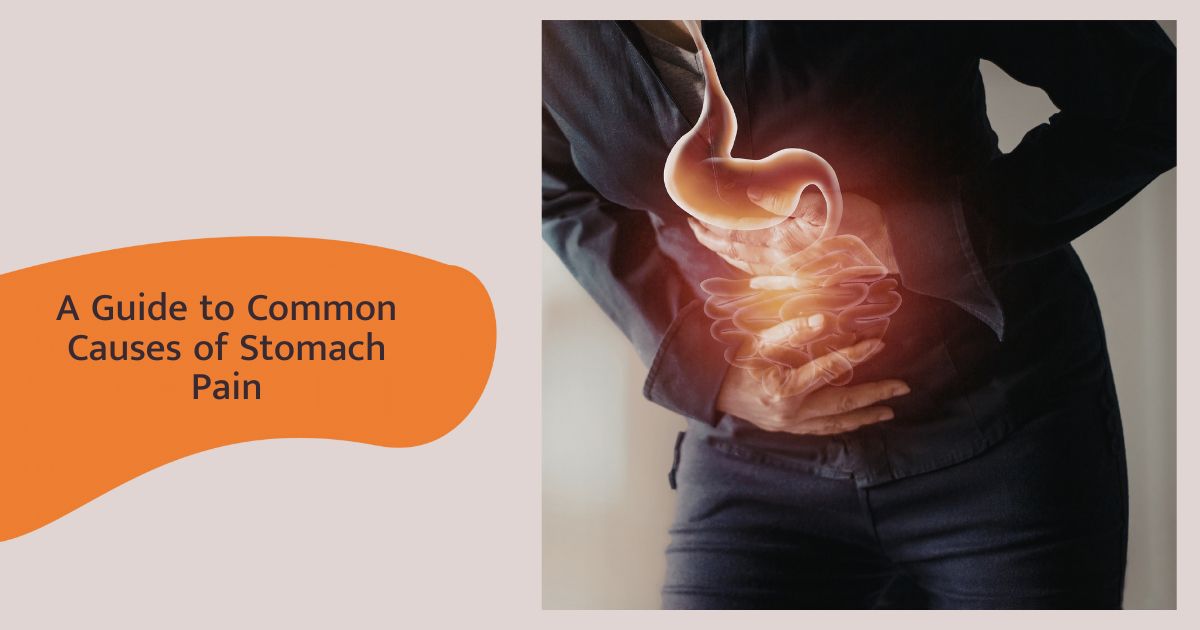
A Guide to Common Causes of Stomach Pain
We have all experienced stomach pain. The sudden cramp, dull ache, or sharp twinge in our abdomen is something common that we all understand. Stomach pain is a universal signal from our body that something is not right. Most stomach pain are temporary and harmless but it can sometimes indicate a serious condition inside. Understanding the common causes can help you decide whether you need to wait for it to resolve on its own or with simple medication, or to seek medical advice for complex issues.
Everyday Culprits That Can Cause Stomach Pain
Most of the time, stomach discomfort is linked to our diet and lifestyle. These causes are usually short-lived and they resolve on their own. Here are some of those temporary factors:
- Indigestion and Gas: Overeating, eating too quickly or eating fatty and spicy foods can lead to indigestion. Trapped gas from certain foods like beans or carbonated drinks causes bloating and crampy pain.
- Food Intolerances: Difficulty digesting lactose (in milk and other dairy products – called lactose intolerance) or gluten (in wheat) can trigger bloating, gas, and diarrhea.
- Stress and Anxiety: Your gut is highly sensitive to emotions. Stress can negatively influence digestive issues. Sometimes it is also found to cause functional pain where there are no known physical problems which is usually confirmed after multiple diagnosis.
Digestive System Disorders
When pain is happening often or if it is severe, it may indicate an underlying digestive disorder.
- Gastroesophageal Reflux Disease (GERD): This happens when stomach acid flows back into the esophagus, causing a burning pain in the upper abdomen and chest (heartburn).
- Peptic Ulcers: These are open sores that develop on the stomach lining or the upper part of the small intestine. Stomach ulcers, also called Peptic Ulcers cause a burning stomach pain. This pain is felt when your stomach is empty in most cases. Many factors are responsible for causing ulcers. They are H. pylori bacterial infection and long-term use of anti-inflammatory drugs.
- Irritable Bowel Syndrome (IBS): IBS is a chronic condition that affects the large intestine. It leads to cramping, abdominal pain, bloating, gas and alternating diarrhea and constipation.
When to Pay Close Attention
Some causes of abdominal pain require prompt medical evaluation. Here are few such causes:
- Gallstones: Hard stone-like deposits in the gallbladder can cause intense, sudden pain in the upper right abdomen. Sometimes it can be medical emergency
- Appendicitis: Inflammation of the appendix can cause pain that often starts around the navel and shifts to the lower right abdomen. Appendicitis is considered a medical emergency most of the time.
- Infections: Bacterial or viral infections (gastroenteritis) can lead to inflammation in the stomach and intestines. This can cause cramping, diarrhea and vomiting.
When to See a Doctor for Stomach Pain
It is important to listen to your body. Get immediate medical attention if your stomach pain is severe, not going away or is accompanied by the below symptoms:
- Unexplained weight loss
- High fever
- Persistent nausea or vomiting
- Blood in stool or vomit
- Yellowing of the skin (jaundice)
- Pain that wakes you up at night
Pain that is not going away and being accompanied by a burning sensation is linked to stomach ulcers most of the time. This pain should not be ignored. In modern medicine, accurate diagnosis is available to find out the root cause of the stomach. With such diagnostic techniques it is easier to get precise medical help and prevent complications.
